Guide
Best Cuban Cigars for Beginners: How to Choose Your First Mild or Medium Habano
The best Cuban cigars for beginners are short-to-medium vitolas that Habanos S.A. rates mild, mild to medium or medium, such as the Hoyo de Monterrey Epicure No. 2, H. Upmann Half Corona or Fonseca Cosacos. Habanos suggests learning on a reference size, the Mareva being its usual example, in one of its gentler brands.
Which six Cuban cigars make the best starting point?
This matrix pairs approachable Habanos ratings with lengths from 90 mm to 135 mm, so adult newcomers can practise pacing and draw control without a long cigar in hand.
| Cigar | Factory vitola | Length | Ring (diameter) | Rating | Why it suits newcomers |
|---|---|---|---|---|---|
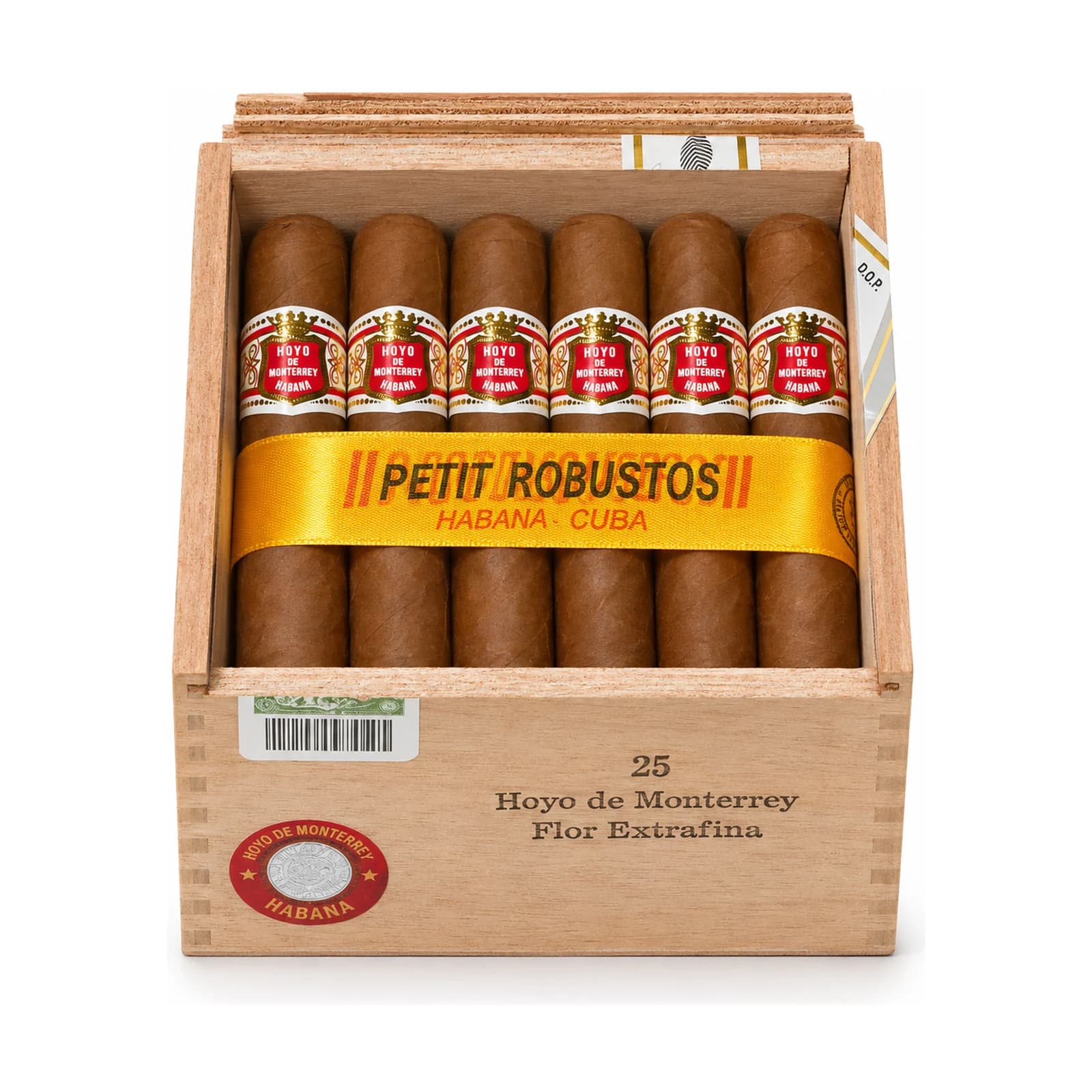
| Hoyo de Monterrey Petit Robusto | Petit Robustos | 102 mm / 4.0 in | 50 · 19.8 mm | Mild | Shortest 50-ring cigar of the six |
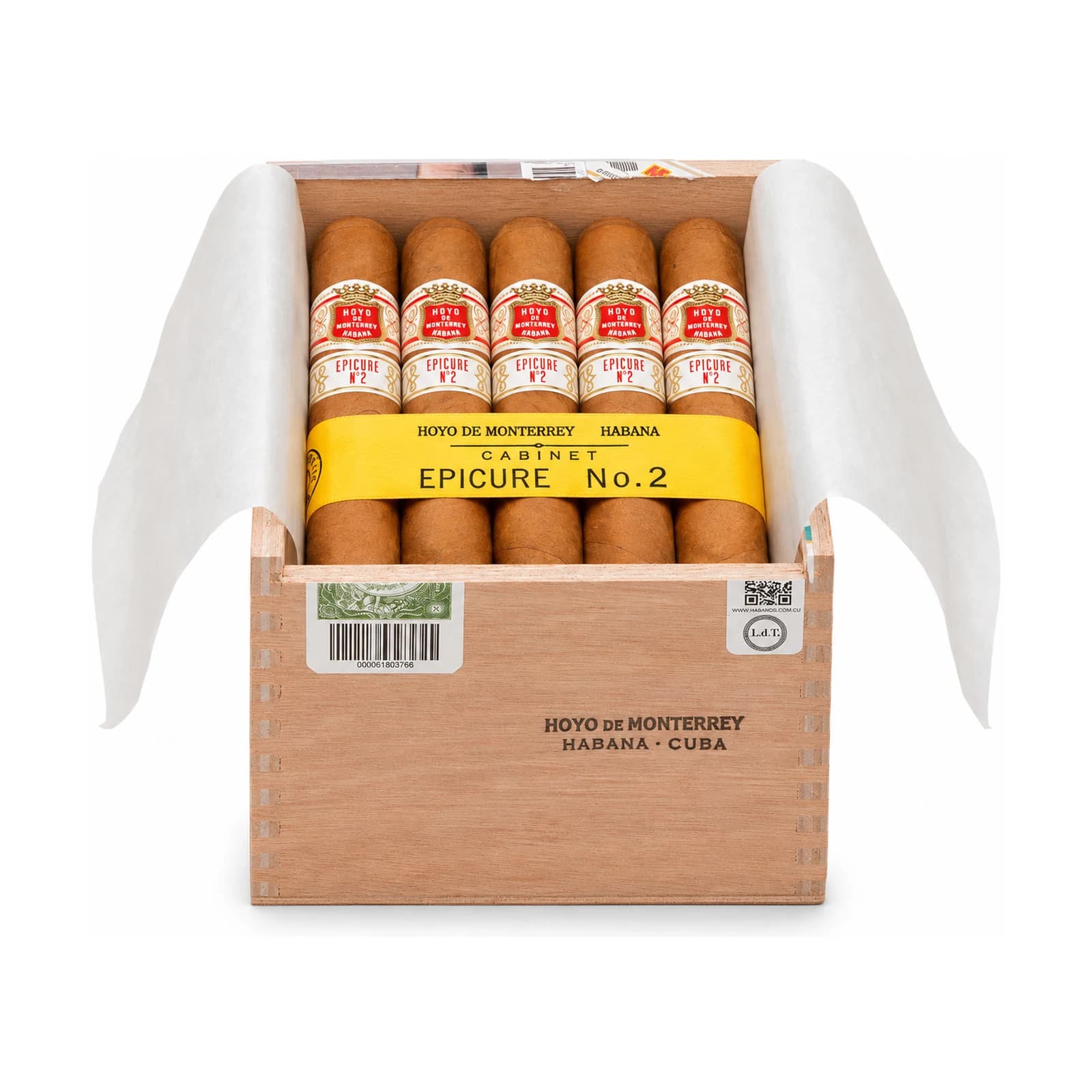
| Hoyo de Monterrey Epicure No. 2 | Robustos | 124 mm / 4.9 in | 50 · 19.8 mm | Mild | Mild-rated Robusto with the same 50 ring as the Petit Robusto |
| Fonseca Cosacos | Cosacos | 135 mm / 5.3 in | 42 · 16.7 mm | Mild | Mild-rated, slim and the longest of the six |
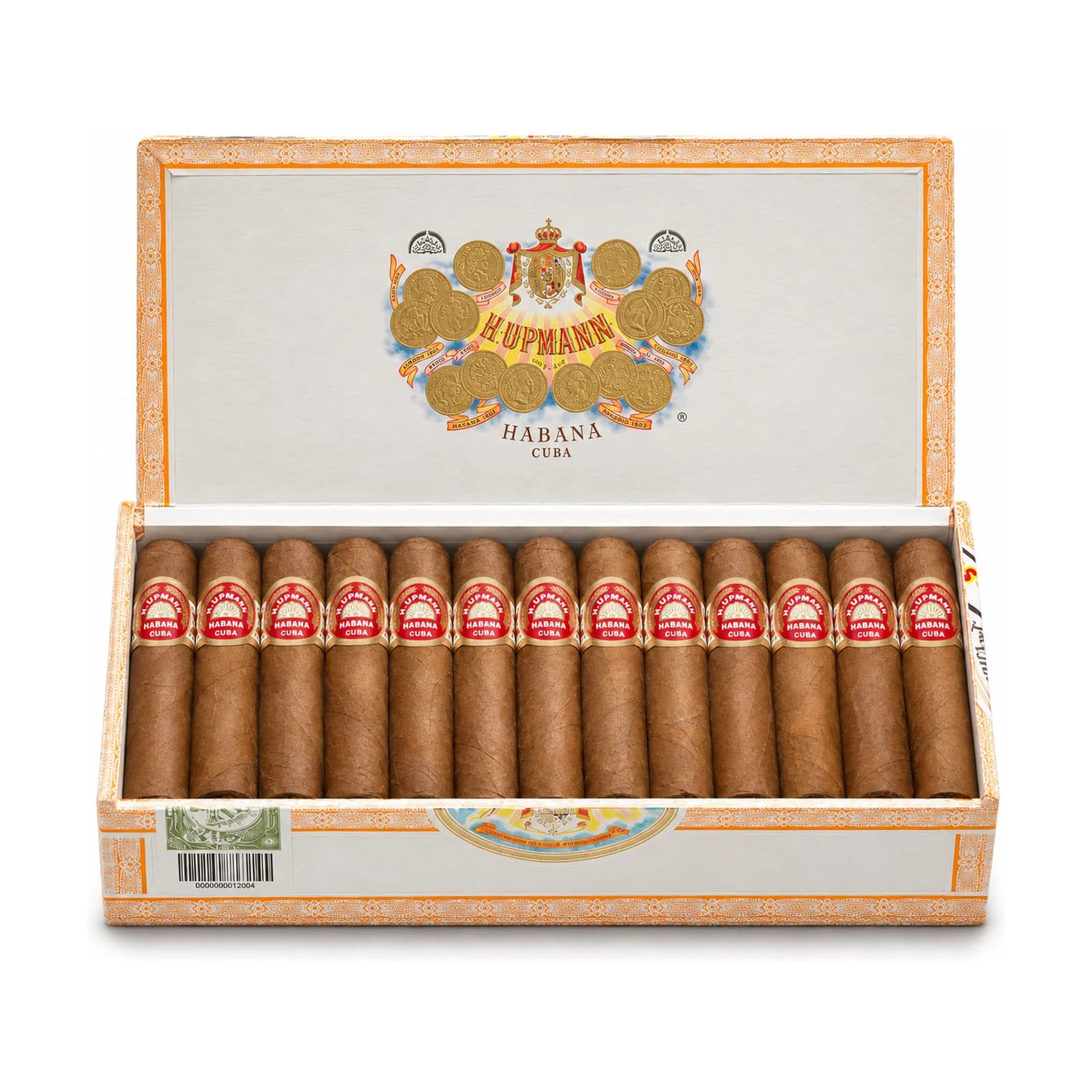
| H. Upmann Half Corona | Half Corona | 90 mm / 3.5 in | 44 · 17.5 mm | Mild to medium | Shortest cigar of the six |
| H. Upmann Petit Coronas | Marevas | 129 mm / 5.1 in | 42 · 16.7 mm | Mild to medium | The Mareva, Habanos' reference size |
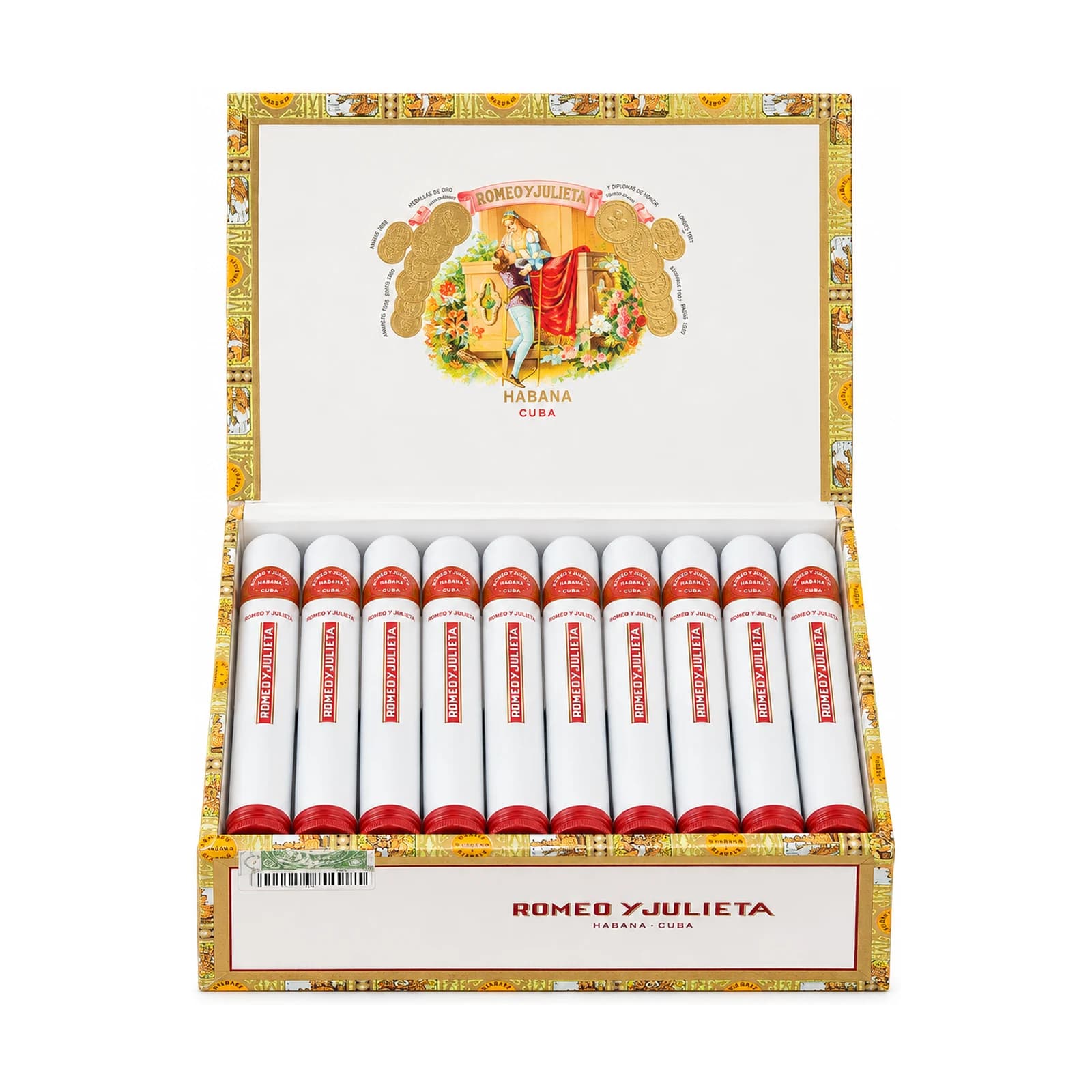
| Romeo y Julieta No. 2 | Petit Coronas | 129 mm / 5.1 in | 42 · 16.7 mm | Medium | A medium rating at the Mareva dimensions |
All measurements and ratings in the table come from the Habanos S.A. vitolario. This guide types no prices; the page of each cigar shows its current price.
Why does Habanos S.A. advise beginners to start with a reference size?
Habanos recommends beginning on a size that many brands produce, the Mareva for example, and in a gentler brand, so blends can be compared cleanly.
A reference size holds one variable still. By Habanos' estimate the Mareva, 129 mm (5.1 in) by 42 ring (16.7 mm), takes about 30 minutes. Smoke an H. Upmann Petit Coronas (mild to medium) and then a Romeo y Julieta No. 2 (medium) at those dimensions, and what changes between them is the blend, not the size. Habanos adds that flavour can only be judged by smoking, so read the ratings here as a starting map. To fit a first vitola around your schedule, read choosing a first vitola on Vitola Room.
How do mild, mild-to-medium and medium Cuban brands differ?
Habanos rates brands and lines on a five-step scale from mild to full, and a first purchase usually stays within the first three steps.
Inside a cigar, filler leaves are graded as tiempos: volado is the lightest and helps combustion, seco contributes aroma, and ligero is stronger and burns slowly, with the rare medio tiempo stronger still. At brand level, the vitolario rates every regular-catalogue vitola of Hoyo de Monterrey, Fonseca, Quai d'Orsay and Rafael González as mild, and every regular-catalogue vitola of H. Upmann and Por Larrañaga as mild to medium; most Romeo y Julieta vitolas are medium. Hoyo de Monterrey is named after a San Juan y Martínez plantation, inscribed 1860. H. Upmann was founded in Havana in 1844 by the banker Hermann Upmann, and the Romeo y Julieta name dates from 1875. The Por Larrañaga Petit Coronas (Marevas, 129 mm by 42 ring, mild to medium) is one more cigar at the reference size. To place every Cuban house on the scale before branching out, consult the Cuban cigar strength chart. Habanos also warns that strength changes between vitolas of one brand, so check the rating of each cigar, not the brand alone.
Should a beginner pick a slim 42-ring cigar or a 50-ring robusto?
Pick a 50-ring cigar like the Petit Robusto or Epicure No. 2 if you like a wider cigar; pick a 42-to-44-ring cigar like the Half Corona or Petit Coronas if you like a slimmer one in the hand.
Habanos links ring gauge to character: a larger ring means a slower burn, more smoke and a stronger flavour, while a smaller ring means quicker smoking and a sharper taste. In diameter, a 50 ring is 19.8 mm, a 44 ring 17.5 mm and a 42 ring 16.7 mm. The H. Upmann Half Corona, added to the range in 2011, is the shortest cigar in the table at 90 mm, and the Hoyo de Monterrey Petit Robusto at 102 mm is the shortest with a 50 ring. If both feel equally right, take the ring that sits comfortably in your hand; that is a personal call, not a rule from Habanos.
How should you buy and store your first Cuban cigars?
Choose the smallest commitment each product page offers, so you can sample two or three houses before one blend fills your humidor.
A full box ties you to one blend before you know whether you prefer the mild rating of Hoyo de Monterrey or the medium rating of Romeo y Julieta. The vitolario lists some of these cigars in tubes (tubos): the Romeo y Julieta No. 2 is made as a tubo, and the Epicure No. 2 has a tubo version. Check the formats shown on each product page. Habanos gives 16 to 18 °C as the temperature for keeping cigars and 65 to 70 % as the relative humidity; humidor owners often work nearer 68 to 72 %. A refrigerator is not recommended.
How do newcomers verify a Cuban box is genuine?
Buy from an established retailer and compare three details: the box base, the seal and the barcode lookup.
On a Cuban box, “Hecho en Cuba” is hot-stamped on the base from 1960 onward, and “Totalmente a Mano” was added for long-filler cigars in 1989; two ink stamps complete the base, the factory code and the date the box was closed, shown as month and year. The 2009 redesign of the warranty seal added a hologram and an individual barcode for each box; type that code into the Habanos S.A. official verifier. Names such as Hoyo de Monterrey, H. Upmann, Romeo y Julieta, Montecristo and Cohiba also belong to non-Cuban brands, so confirm Hecho en Cuba on the box base and test the barcode. Import rules for Cuban tobacco depend on the country where you live, so check local laws and read our shipping information before ordering.
Which beginner mistakes are easiest to avoid?
These five points follow Habanos guidance and the ratings used in this guide.
- Starting with a full-strength cigar. Partagás, Bolívar and the Cohiba Behike releases are rated full; build up from the mild and mild-to-medium cigars above.
- Cutting too far down the head. Habanos advises making the cut just over the point where the cap joins the wrapper.
- Using the wrong flame. Habanos names butane gas, wooden matches and cedar spills as suitable flames, and rules out petrol and candles.
- Stubbing the cigar out. Habanos advises letting it go out by itself.
- Judging strength by brand alone. Habanos states that strength varies between vitolas, so check the rating of the exact cigar.
Cigars are adult tobacco products, sold only to buyers of legal smoking age.
Frequently asked questions
What is the mildest Cuban cigar brand for a beginner?
Habanos rates four regular-catalogue brands mild: Hoyo de Monterrey, Fonseca, Quai d'Orsay and Rafael González. The Hoyo de Monterrey Petit Robusto (102 mm by 50 ring) and Epicure No. 2 (124 mm by 50 ring) are the 50-ring options among them.
Is Montecristo No. 4 a good first Cuban cigar?
It can be, provided you know that Habanos rates the Montecristo No. 4 medium to full, not mild. It is a Marevas of 129 mm by 42 ring, the dimensions of the H. Upmann Petit Coronas, so trying the milder H. Upmann first gives you a direct comparison.
How long does a beginner Cuban cigar take to smoke?
A Mareva such as the H. Upmann Petit Coronas takes about 30 minutes on Habanos' estimate, and a Robusto such as the Epicure No. 2 takes 30 to 40. The 90 mm Half Corona is shorter than both, so expect a shorter session; that is an inference from its length, not a Habanos figure.
Do I need a humidor before buying my first Cuban cigars?
A humidor is the usual way to hold the storage conditions described above, and a refrigerator is not advised. Owners often run a little higher, at 68 to 72 %, which is common practice rather than the official range. Plan your storage before you buy a box.
What does a beginner Cuban cigar cost?
Open the product page of the cigar you like: its price block is the only place where prices appear, since figures change. Use this guide to narrow the choice by vitola, length, ring gauge and Habanos rating, then read the live block before you decide.
Sources
- Official Vitolario (Habanos S.A.): vitolas, dimensions and ratings for the six cigars above.
- Choosing, cutting and lighting: reference sizes, gentler brands, the cut and the flame.
- Strength classifications and Anatomy of a Habano: the five-step scale and the leaf tiempos.
- Box checks and storage: authenticity verification and how to keep your Habanos.
Updated November 2026.