Guide
Cuban Cohiba vs Montecristo: Which Brand to Buy First
Cuban Cohiba versus Cuban Montecristo is mainly a choice of vitola and strength rating, not of name. Pick Montecristo if you want the numbered classics, No. 1 to No. 5, rated medium to full by Habanos. Pick Cohiba if you want the Siglo line, rated medium, or the full-rated Behike.
How do Cuban Cohiba and Montecristo compare at a glance?
Cohiba dates from 1966, Montecristo from 1935, and the Habanos vitolario rates entries of both from medium to full.
| Aspect | Cohiba | Montecristo |
|---|---|---|
| Created | 1966 | 1935 |
| Origin | Made at El Laguito, Havana, since 1966 | Havana; named for a novel read to the rollers of the H. Upmann factory |
| Lines | Clásica, 1492, Maduro 5, Behike | Clásica, Línea 1935, Open, Reserva |
| Regular-catalogue sizes | 102 to 192 mm (4.0 to 7.6 in), ring 26 to 58 (10.3 to 23.0 mm) | 90 to 235 mm (3.5 to 9.3 in), ring 26 to 55 (10.3 to 21.8 mm) |
| Strength, regular vitolas without tubes | 7 medium, 10 medium to full, 4 full | 4 medium, 18 medium to full, 2 full |
| Top line | Behike, rated full | Línea 1935; Leyenda and Maltés rated full |
Which vitolas are like-for-like?
Compare the same factory vitola, because identical length and ring gauge take size out of the argument.
| Factory vitola, length, ring | Cohiba | Montecristo | Time (Habanos, indicative) |
|---|---|---|---|
| Mareva: 129 mm (5.1 in), 42 ring (16.7 mm) | Cohiba Siglo II, medium | Montecristo No. 4, medium to full | About 30 min |
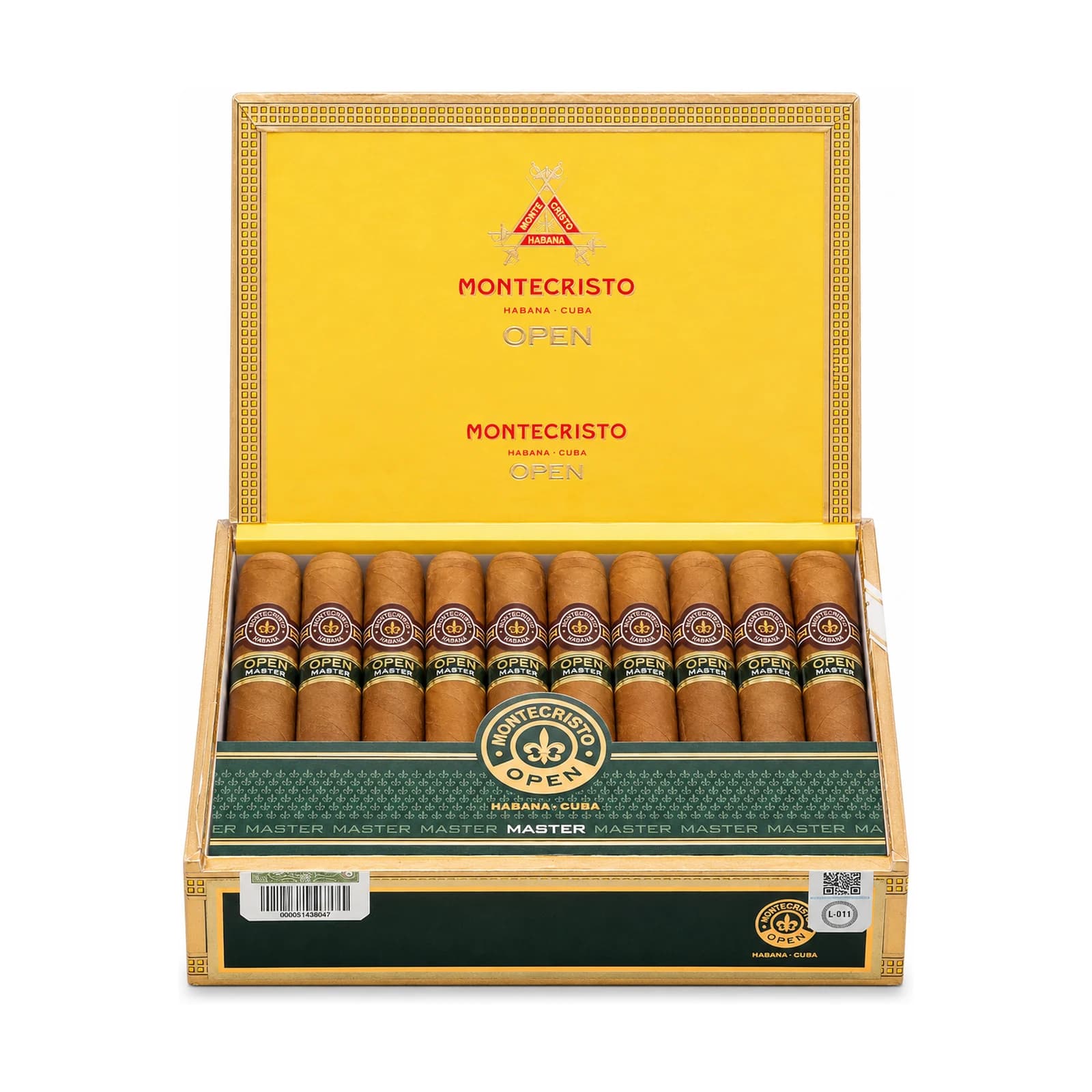
| Robusto: 124 mm (4.9 in), 50 ring (19.8 mm) | Cohiba Robusto, medium to full | Montecristo Open Master, medium | 30 to 40 min |
| Julieta No. 2: 178 mm (7.0 in), 47 ring (18.7 mm) | Cohiba Espléndidos, medium to full | Montecristo Churchills Añejados (aged release), medium to full | Over 1 h |
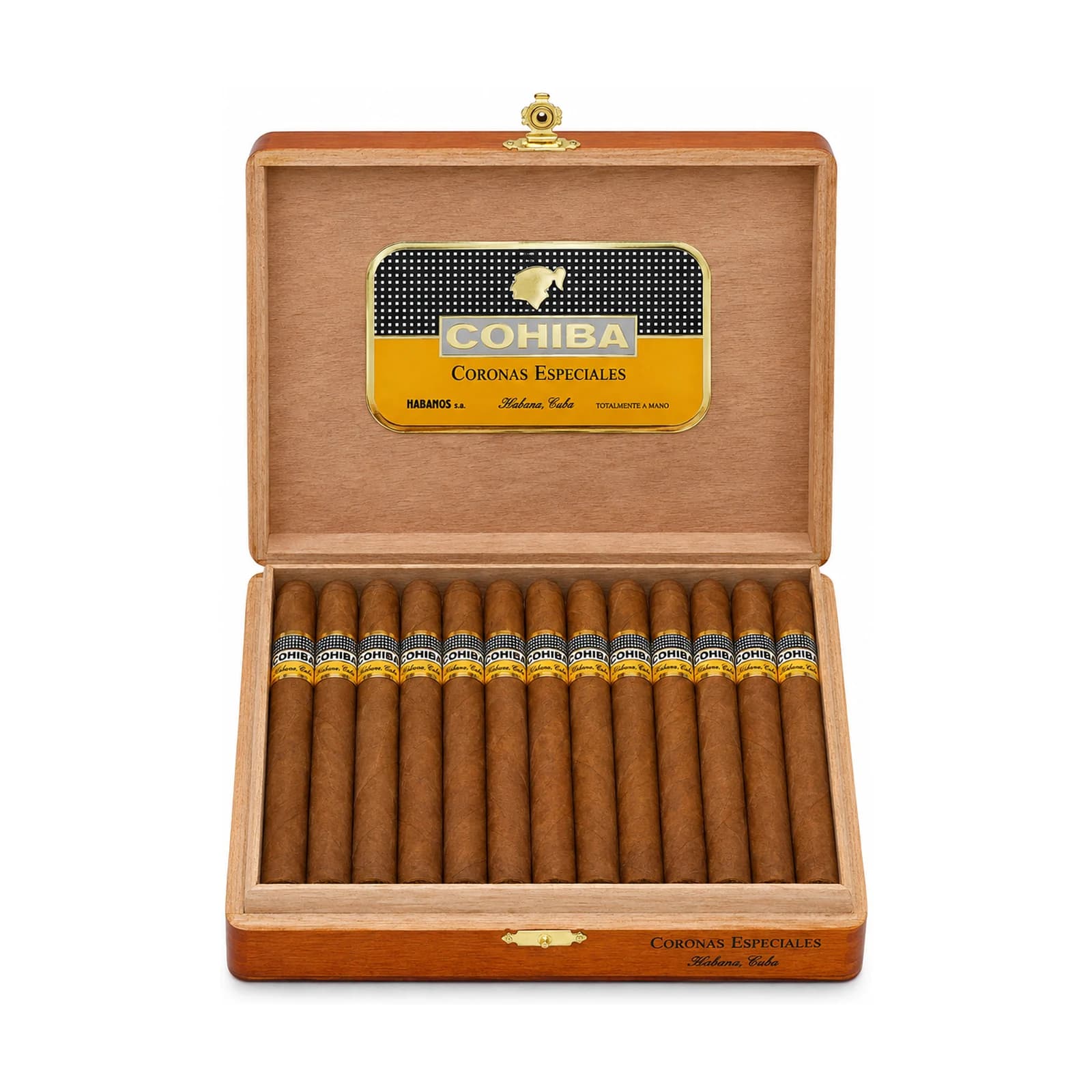
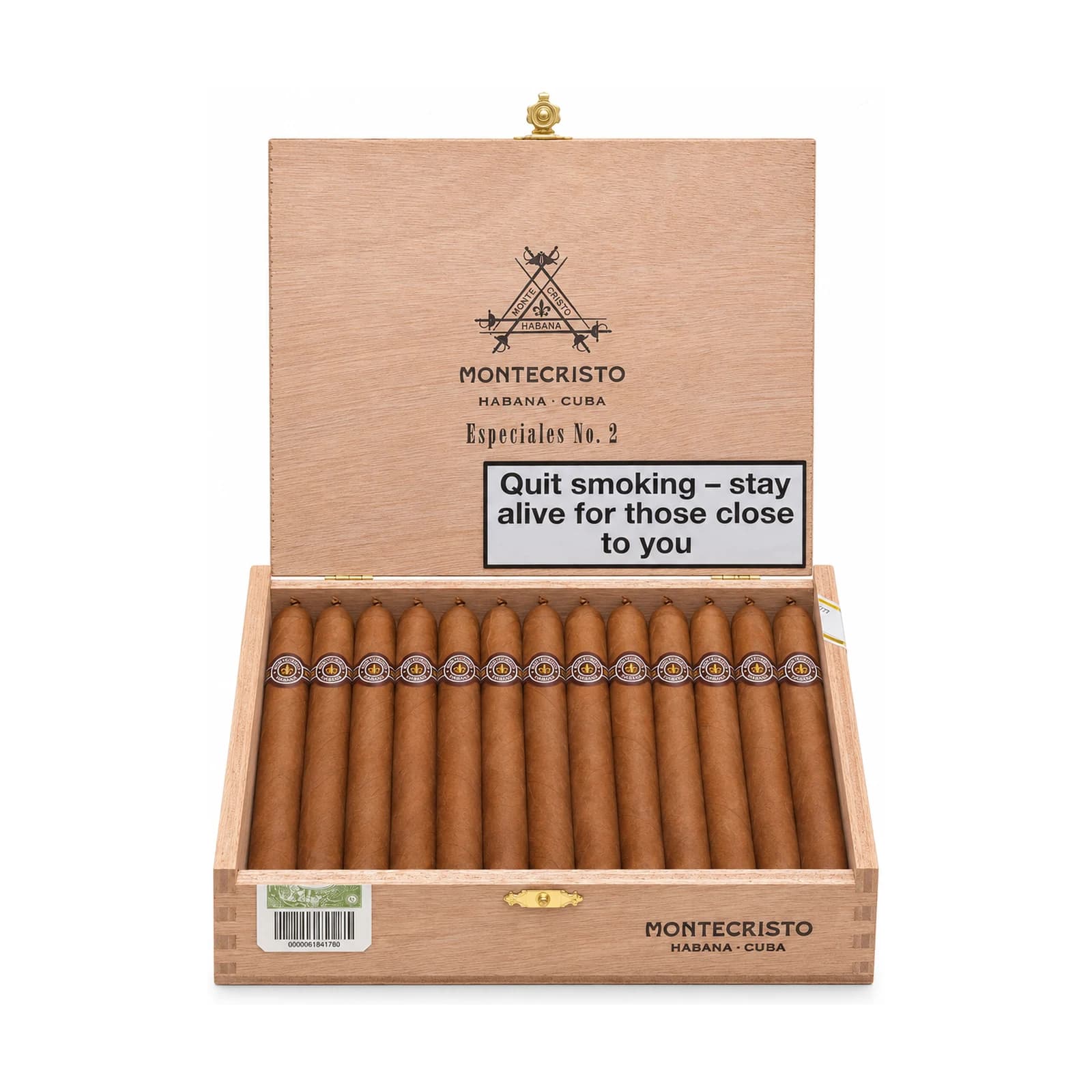
| Laguito No. 2: 152 mm (6.0 in), 38 ring (15.1 mm) | Cohiba Coronas Especiales, medium to full | Montecristo Especial No. 2, medium to full | No figure |
| Near match, 52 ring (20.6 mm): Cañonazo 150 mm (5.9 in), Pirámides 156 mm (6.1 in) | Cohiba Siglo VI, medium | Montecristo No. 2 (tapered), medium to full | About 1 h each |
Read the rows before the brands: in the Mareva row Cohiba has the lower rating, in the Robusto row Montecristo does. Montecristo lists a Churchill format only as an Añejados release, and the Siglo VI and No. 2 share a ring but not a shape.
Is Cohiba stronger than Montecristo?
Not as a rule: Habanos rates strength vitola by vitola, and the ratings overlap. Its vitolario rates every Cohiba Siglo medium and the numbered Montecristos, No. 1 to No. 5, medium to full, while Behike, Leyenda and Maltés are full. The same 129 mm Mareva runs from mild at Rafael González to full at Bolívar, so the brand is a poor shortcut.
Habanos' brand pages give strength and production facts, not flavour notes, and this guide gives no tasting notes. Judge flavour by smoking one vitola from each brand at the same size.
How do the two histories differ?
Cohiba is the younger brand: Habanos dates it to 1966 at El Laguito in Havana, a state gift for years before limited sales began in 1982. Habanos says its seco and ligero leaf gets an extra fermentation. Its Línea Clásica (1966 to 1989) is rated medium to full, the Línea 1492 (1992) medium, and Behike (2010) was the first Cohiba line to include medio tiempo leaf in its blend.
Montecristo dates to 1935 in Havana, and Habanos says its name comes from the Dumas novel that the factory reader (lector) read aloud to the rollers of the H. Upmann factory. Its core is the five numbered vitolas, and Habanos lists later additions: Edmundo (2004), Petit Edmundo (2007), Reserva (2007), Open (2009) and Línea 1935. Habanos tells the longer stories on its pages for Cohiba and Montecristo.
Which one should you choose?
Choose the vitola first, then the rating, and let the brand come last. These are editorial rules, not tasting results.
- About 30 minutes: the Siglo II to stay at medium, the No. 4 for a step up; both are 129 mm (5.1 in) Marevas.
- A first Cuban cigar: Habanos advises a vitola found in several brands, such as the Mareva, and a lower-strength brand. Neither brand is the gentlest, since both start at medium, so begin with the Siglo II or the Open Master.
- An hour to spare: the Siglo VI (medium) or the No. 2 (medium to full, 6 mm or 0.2 in longer, tapered).
- A gift for an adult smoker: match the size and rating they already choose, and check the box on Habanos' verification page first.
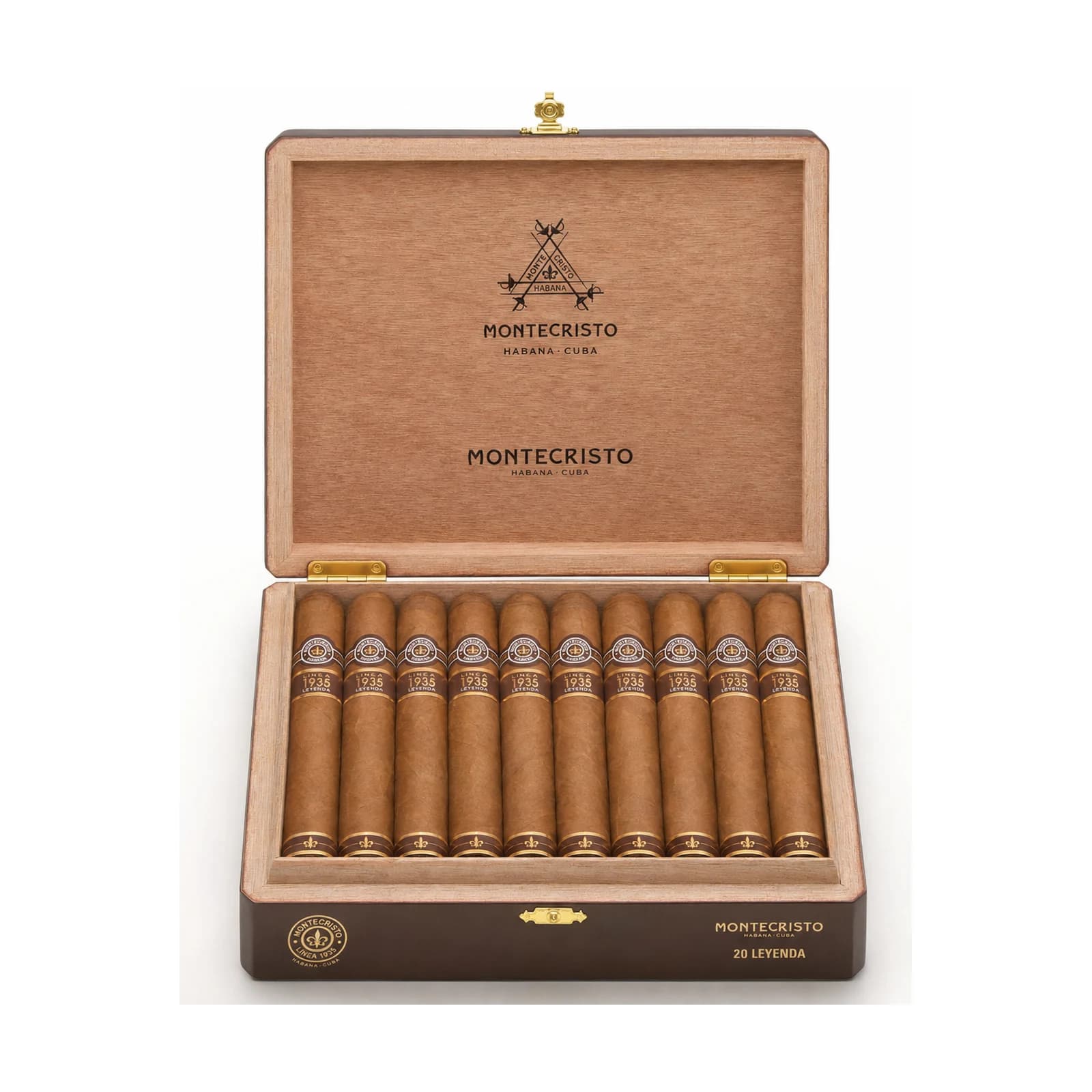
- A collector: the top lines match in size. The Cohiba Behike 56 is 166 mm (6.5 in) by 56 ring (22.2 mm), the Montecristo Leyenda 165 mm (6.5 in) by 55 ring (21.8 mm), and Habanos rates both full.
What decides the price of a box?
The vitola, the line, the kind of release and the box format usually explain a price difference, so compare like with like. Habanos tags each vitolario entry as regular catalogue, regional, Casa del Habano, limited, Reserva, Gran Reserva or Añejados, and a limited or aged release is a different product from a regular vitola. Each product page carries its current price table; this guide types none.
How do you check that a box is Cuban?
Start with Habanos' verification page: each box should carry a warranty seal with a hologram and a barcode unique to that box. Both names also appear on non-Cuban cigars (the Montecristo brand's US site describes Dominican-produced Montecristo; a separate US-market Cohiba exists), so confirm the country of origin. A Cuban box has "Hecho en Cuba" hot-stamped on its base, which Habanos dates to 1960. Vitola Room explains the Habanos warranty seal and same-name Cuban and non-Cuban brands.
What mistakes do buyers make when comparing the two?
- Comparing a Siglo VI with a No. 4, which differ by 21 mm (0.8 in) in length and ten ring points (4.0 mm) in width, tests size, not brand.
- Using the brand as a strength guide, when one Mareva spans mild to full across brands.
- Reading "best-selling" as a quality score: it is Habanos' own sales claim about the No. 4.
- Mixing release types, such as a Behike or an Añejados against a regular vitola.
Sources and review
- Habanos S.A., Marca Cohiba and Marca Montecristo, checked 2026-11-18.
- Habanos S.A., vitolario (lengths, ring gauges, strength ratings and editions), data fetched 2026-11-17.
- Habanos S.A., principal formats (smoking times) and choosing, cutting and lighting (beginner advice), checked 2026-11-17.
- Habanos S.A., verification of authenticity, checked 2026-11-18.
Written by the Vitola House editorial team, updated November 2026, for adults of legal smoking age. The National Cancer Institute states that cigar smoking causes cancer of the oral cavity, larynx, esophagus and lung, and that there is no safe level of tobacco use.
Frequently asked questions
Which is better, Cohiba or Montecristo?
Neither is better in absolute terms. The Habanos vitolario rates strength per vitola and does not rank brands, and the two brands' ratings overlap. Decide on the vitola that fits your time and the rating you want: the Siglo II (medium) and the No. 4 (medium to full) are the same size.
Which Montecristo is the best?
No single Montecristo is best; match the vitola to your time. Habanos calls the No. 4, a 129 mm (5.1 in) Mareva, the best-selling Habano in the world, which is a sales claim, not a ranking of taste. The No. 2, 156 mm (6.1 in), suits about an hour.
Which is better for a beginner, Cohiba or Montecristo?
Neither is the gentlest choice, since both brands start at medium in the Habanos ratings. Habanos advises beginners to start with a vitola found in several brands, such as the Mareva, and a lower-strength brand. Between these two, begin with a medium-rated vitola: the Cohiba Siglo II or the Montecristo Open Master.
Are Cohiba and Montecristo made in the same factory?
Habanos does not say they are. It states that Cohiba has been made at El Laguito in Havana since 1966, while for Montecristo it names only Havana in 1935 and the H. Upmann factory in the story of the name, not a current factory. Do not assume the two share one.
Does Cohiba make Cuban cigars?
Yes. The Cuban Cohiba was created in 1966 and Habanos says it is made at El Laguito in Havana. The name is also used on non-Cuban cigars, so check each box for its country of origin and, for a Cuban box, against Habanos' verification page.